Kyoto’s Shadow Realm: Inside the Quiet Machiya Revival
Words by Michiko Tanaka • Photography by 111111 Editorial
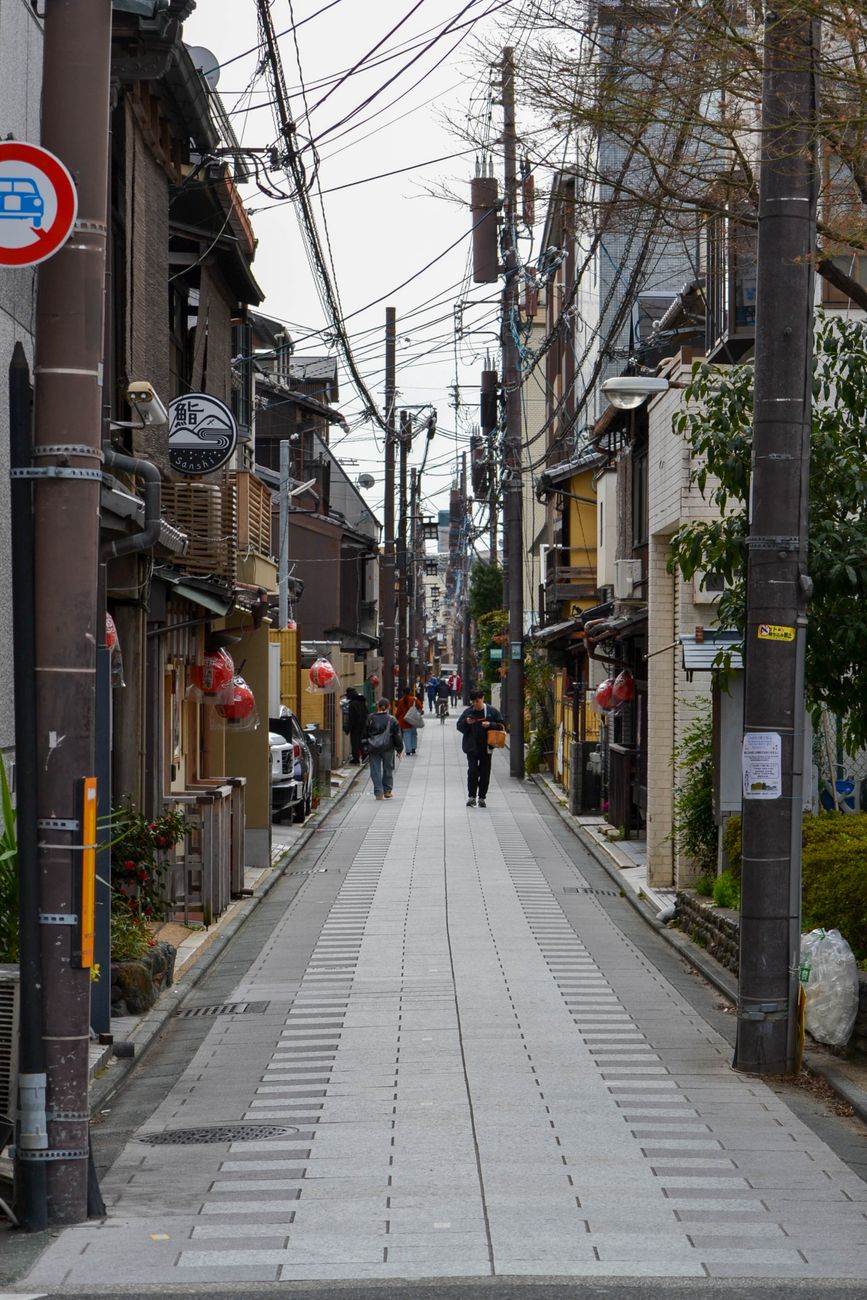
In his classic 1933 essay In Praise of Shadows, Jun'ichirō Tanizaki lamented the advent of harsh Western electrical glare, urging us to recognize the beauty that exists only when light is gently filtered through shoji paper and lacquered gloom. Nowhere does this sentiment feel more alive today than inside Kyoto's surviving network of machiya.
The Anatomy of an Urban Sanctuary
Narrow and remarkably deep, earning them the historical moniker 'eel bedrooms,' machiya served for generations as merchant residences and workshop spaces. Constructed completely without nails using intricate mortise and tenon cedar joints (kigumi), these buildings breathe with the changing moisture of Kansai's humid summers and crisp winters.
At the heart of almost every preserved residence lies the tsuboniwa—a miniature interior courtyard garden. Often measuring no more than four square meters, it contains perhaps a moss-covered granite basin, two stalks of black bamboo, and a single stepping stone. In the rain, water droplets striking the green fronds create a natural metronome that shields inhabitants from the city beyond.
"A garden inside a house is not an amenity; it is the lungs of the family, drawing the outside sky into domestic peace."
Preservation through Contemporary Purpose
Faced with steep municipal inheritance levies and costly timber upkeep, thousands of machiya were demolished during Japan's late-twentieth-century building boom. Today, a new generation of architects, ceramic masters, and independent hoteliers is reclaiming these historic bones.
In the Nishijin weaving district, former silk artisan homes have been revitalized into serene guest quarters featuring radiant floor heating concealed beneath fragrant rush tatami mats, alongside private cypress wood baths (hinoki). Here, the traveler is not a spectator, but a custodian of silence.